---
title: Titleist Velocity Review ⛳🔥 | Lost Golf Balls
description: Titleist Velocity Review🏌️♂️🛍️. Enjoy premium performance at 50–80% off retail prices.🏌️♂️Browse our selection today!💥
image: https://blog.lostgolfballs.com/hubfs/VelocityBanner-1.jpg
---
866.639.4819 - 8AM - 5PM (CST) M-F.
- [Best Ball For You](https://info.lostgolfballs.com/whats-the-best-ball-for-you)
- [Grading Scale](https://www.lostgolfballs.com/gradingscale)
- [Sign In](https://www.lostgolfballs.com/customer/account/login/)
- [Cart](https://blog.lostgolfballs.com/checkout/cart/)
**Lostgolfballs**
- [Golf Balls](https://www.lostgolfballs.com/golf-balls.html)
- [Golf Balls](https://www.lostgolfballs.com/golf-balls.html)
- - [Shop By Quantity](https://www.lostgolfballs.com/golf-balls/quantity.html)
- - [12 Packs](https://www.lostgolfballs.com/golf-balls/quantity/12-packs.html)
- - [48 Buckets](https://www.lostgolfballs.com/golf-balls/quantity/48-buckets.html)
- - [96 Buckets](https://www.lostgolfballs.com/golf-balls/quantity/96-buckets.html)
- - [Shop By Quality](https://www.lostgolfballs.com/golf-balls/quality.html)
- - [Mint (5A)](https://www.lostgolfballs.com/golf-balls/quality/aaaaa-1st-quality.html)
- - [Mint No Logo (Refinished)](https://www.lostgolfballs.com/golf-balls/quality/refinished.html)
- - [Near Mint (4A)](https://www.lostgolfballs.com/golf-balls/quality/aaaa-2nd-quality.html)
- - [Good (3A)](https://www.lostgolfballs.com/golf-balls/quality/aaa-3rd-quality.html)
- - [Shop By Brand](https://www.lostgolfballs.com/golf-balls/brands.html)
- - [Pro V1/Pro V1x](https://www.lostgolfballs.com/golf-balls/brands/pro-v1.html)
- - [Titleist](https://www.lostgolfballs.com/golf-balls/brands/titleist.html)
- - [Bridgestone](https://www.lostgolfballs.com/golf-balls/brands/bridgestone.html)
- - [Callaway](https://www.lostgolfballs.com/golf-balls/brands/callaway.html)
- - [Nike](https://www.lostgolfballs.com/golf-balls/brands/nike.html)
- - [Srixon](https://www.lostgolfballs.com/golf-balls/brands/srixon.html)
- - [TaylorMade](https://www.lostgolfballs.com/golf-balls/brands/taylormade.html)
- - [Kirkland](https://www.lostgolfballs.com/golf-balls/brands/kirkland.html)
- - [Snell](https://www.lostgolfballs.com/golf-balls/brands/snell.html)
- - [Volvik](https://www.lostgolfballs.com/golf-balls/brands/volvik.html)
- - [Vice](https://www.lostgolfballs.com/golf-balls/brands/vice.html)
- - [Wilson](https://www.lostgolfballs.com/golf-balls/brands/wilson.html)
- - [Shop By Assorted](https://www.lostgolfballs.com/golf-balls/assorted.html)
- - [Other Brands](https://www.lostgolfballs.com/golf-balls/assorted/other-brands.html)
- - [Colored](https://www.lostgolfballs.com/golf-balls/assorted/colored-golf-balls.html)
- - [Pink](https://www.lostgolfballs.com/golf-balls/assorted/colored-golf-balls/pink-golf-balls.html)
- - [Yellow](https://www.lostgolfballs.com/golf-balls/assorted/colored-golf-balls/yellow-golf-balls.html)
- - [Orange](https://www.lostgolfballs.com/golf-balls/assorted/colored-golf-balls/orange.html)
- - [Crystals](https://www.lostgolfballs.com/golf-balls/assorted/colored-golf-balls/crystals.html)
- - [Range/Floater Balls](https://www.lostgolfballs.com/golf-balls/assorted/range-floater-balls.html)
- - [Novelty](https://www.lostgolfballs.com/golf-balls/assorted/novelty.html)
- - [Women's Golf Balls](https://www.lostgolfballs.com/golf-balls/assorted/womens-golf-balls.html)
- - [Golf Balls for Seniors](https://www.lostgolfballs.com/golf-balls/assorted/golf-balls-for-seniors.html)
- [New Arrivals](https://www.lostgolfballs.com/golf-balls/assorted/new-arrivals.html)
- [Deals](https://www.lostgolfballs.com/deals.html)
- [Deals](https://www.lostgolfballs.com/deals.html)
- - [Sample Packs](https://www.lostgolfballs.com/deals/sample-packs.html)
- - [Used Golf Ball Clearance](https://www.lostgolfballs.com/deals/clearance.html)
- - [Practice Golf Balls & Other Value Items](https://www.lostgolfballs.com/deals/value-items.html)
- [Accessories](https://www.lostgolfballs.com/golf-accessories.html)
- [Accessories](https://www.lostgolfballs.com/golf-accessories.html)
- - [Tees](https://www.lostgolfballs.com/golf-accessories/tees.html)
- - [Gloves](https://www.lostgolfballs.com/golf-accessories/gloves.html)
- - [SuperStroke Grips](https://www.lostgolfballs.com/golf-accessories/superstroke-grips.html)
- - [Tee Time Extras](https://www.lostgolfballs.com/golf-accessories/tee-time-extras.html)
- - [Shag Bag](https://www.lostgolfballs.com/golf-accessories/shag-bag.html)
[Home](https://www.lostgolfballs.com/)
- Golf Balls
Back
Golf Balls
- [Golf Balls](https://www.lostgolfballs.com/golf-balls.html)
- - [Shop By Quantity](https://www.lostgolfballs.com/golf-balls/quantity.html)
- - [12 Packs](https://www.lostgolfballs.com/golf-balls/quantity/12-packs.html)
- - [48 Buckets](https://www.lostgolfballs.com/golf-balls/quantity/48-buckets.html)
- - [96 Buckets](https://www.lostgolfballs.com/golf-balls/quantity/96-buckets.html)
- - [Shop By Quality](https://www.lostgolfballs.com/golf-balls/quality.html)
- - [Mint (5A)](https://www.lostgolfballs.com/golf-balls/quality/aaaaa-1st-quality.html)
- - [Mint No Logo (Refinished)](https://www.lostgolfballs.com/golf-balls/quality/refinished.html)
- - [Near Mint (4A)](https://www.lostgolfballs.com/golf-balls/quality/aaaa-2nd-quality.html)
- - [Good (3A)](https://www.lostgolfballs.com/golf-balls/quality/aaa-3rd-quality.html)
- - [Shop By Brand](https://www.lostgolfballs.com/golf-balls/brands.html)
- - [Pro V1/Pro V1x](https://www.lostgolfballs.com/golf-balls/brands/pro-v1.html)
- - [Titleist](https://www.lostgolfballs.com/golf-balls/brands/titleist.html)
- - [Bridgestone](https://www.lostgolfballs.com/golf-balls/brands/bridgestone.html)
- - [Callaway](https://www.lostgolfballs.com/golf-balls/brands/callaway.html)
- - [Nike](https://www.lostgolfballs.com/golf-balls/brands/nike.html)
- - [Srixon](https://www.lostgolfballs.com/golf-balls/brands/srixon.html)
- - [TaylorMade](https://www.lostgolfballs.com/golf-balls/brands/taylormade.html)
- - [Kirkland](https://www.lostgolfballs.com/golf-balls/brands/kirkland.html)
- - [Snell](https://www.lostgolfballs.com/golf-balls/brands/snell.html)
- - [Volvik](https://www.lostgolfballs.com/golf-balls/brands/volvik.html)
- - [Vice](https://www.lostgolfballs.com/golf-balls/brands/vice.html)
- - [Wilson](https://www.lostgolfballs.com/golf-balls/brands/wilson.html)
- - [Shop By Assorted](https://www.lostgolfballs.com/golf-balls/assorted.html)
- - [Other Brands](https://www.lostgolfballs.com/golf-balls/assorted/other-brands.html)
- - [Colored](https://www.lostgolfballs.com/golf-balls/assorted/colored-golf-balls.html)
- - [Pink](https://www.lostgolfballs.com/golf-balls/assorted/colored-golf-balls/pink-golf-balls.html)
- - [Yellow](https://www.lostgolfballs.com/golf-balls/assorted/colored-golf-balls/yellow-golf-balls.html)
- - [Orange](https://www.lostgolfballs.com/golf-balls/assorted/colored-golf-balls/orange.html)
- - [Crystals](https://www.lostgolfballs.com/golf-balls/assorted/colored-golf-balls/crystals.html)
- - [Range/Floater Balls](https://www.lostgolfballs.com/golf-balls/assorted/range-floater-balls.html)
- - [Novelty](https://www.lostgolfballs.com/golf-balls/assorted/novelty.html)
- - [Women's Golf Balls](https://www.lostgolfballs.com/golf-balls/assorted/womens-golf-balls.html)
- - [Golf Balls for Seniors](https://www.lostgolfballs.com/golf-balls/assorted/golf-balls-for-seniors.html)
- [New Arrivals](https://www.lostgolfballs.com/golf-balls/assorted/new-arrivals.html)
- Deals
Back
Deals
- [Deals](https://www.lostgolfballs.com/deals.html)
- - [Sample Packs](https://www.lostgolfballs.com/deals/sample-packs.html)
- - [Used Golf Ball Clearance](https://www.lostgolfballs.com/deals/clearance.html)
- - [Practice Golf Balls & Other Value Items](https://www.lostgolfballs.com/deals/value-items.html)
- Accessories
Back
Accessories
- [Accessories](https://www.lostgolfballs.com/golf-accessories.html)
- - [Tees](https://www.lostgolfballs.com/golf-accessories/tees.html)
- - [Gloves](https://www.lostgolfballs.com/golf-accessories/gloves.html)
- - [SuperStroke Grips](https://www.lostgolfballs.com/golf-accessories/superstroke-grips.html)
- - [Tee Time Extras](https://www.lostgolfballs.com/golf-accessories/tee-time-extras.html)
- - [Shag Bag](https://www.lostgolfballs.com/golf-accessories/shag-bag.html)
Menu
[](https://palmspire-3842749.hs-sites.com/growth-home-1)
- [Home page](https://313908.hs-sites.com)
- [About Us](https://313908.hs-sites.com/about-us)
- [Management Team](https://313908.hs-sites.com/about-us/management-team)
- [Contact Us](https://313908.hs-sites.com/about-us/contact-us)
- [Products](https://313908.hs-sites.com/products)
- [Product 1](https://313908.hs-sites.com/products/product-1)
- [Product Variation 1](https://313908.hs-sites.com/products/product-1/variation-1)
- [Product Variation 2](https://313908.hs-sites.com/products/product-1/variation-2)
- [Product 1](https://313908.hs-sites.com/products/product-2)
- [Lost Golf Balls Blog](https://blog.lostgolfballs.com)
LostGolfBalls.com **BLOG**
Information and tips on everything golf ball related from the largest recycler of used golf balls in the world
- [Golf Balls](https://blog.lostgolfballs.com/topic/golf-balls)
- [Golf Ball Manufacturers](https://blog.lostgolfballs.com/topic/golf-ball-manufacturers)
# [Titleist Velocity Review ⛳🔥 | Lost Golf Balls](https://blog.lostgolfballs.com/titleist-velocity-golf-ball-review-2023)
[Read More →](https://blog.lostgolfballs.com/titleist-velocity-golf-ball-review-2023)
### Posts by Tag
- [PGA Events (329)](https://blog.lostgolfballs.com/topic/pga-events)
- [Golf (311)](https://blog.lostgolfballs.com/topic/golf)
- [Golf Trends (297)](https://blog.lostgolfballs.com/topic/golf-trends)
- [Golf Makes the World Go Round (192)](https://blog.lostgolfballs.com/topic/golf-makes-the-world-go-round)
- [On the Course (86)](https://blog.lostgolfballs.com/topic/on-the-course)
- [Golf Balls (76)](https://blog.lostgolfballs.com/topic/golf-balls)
- [Improving Your Game (44)](https://blog.lostgolfballs.com/topic/improving-your-game)
- [PGA Championship (42)](https://blog.lostgolfballs.com/topic/pga-championship)
- [Golf Ball Manufacturers (31)](https://blog.lostgolfballs.com/topic/golf-ball-manufacturers)
- [Golf Courses (17)](https://blog.lostgolfballs.com/topic/golf-courses)
- [LPGA (12)](https://blog.lostgolfballs.com/topic/lpga)
- [Golf Betting (10)](https://blog.lostgolfballs.com/topic/golf-betting)
- [Best Ball For You (9)](https://blog.lostgolfballs.com/topic/best-ball-for-you)
- [U.S. Open (6)](https://blog.lostgolfballs.com/topic/u-s-open)
- [Ryder Cup (4)](https://blog.lostgolfballs.com/topic/ryder-cup)
- [British Open (3)](https://blog.lostgolfballs.com/topic/british-open)
- [FedEx Championship (3)](https://blog.lostgolfballs.com/topic/fedex-championship)
- [Masters 2018 (3)](https://blog.lostgolfballs.com/topic/masters-2018)
- [The Masters (3)](https://blog.lostgolfballs.com/topic/the-masters)
- [2019 Players Championship (1)](https://blog.lostgolfballs.com/topic/2019-players-championship)
- [Bridgestone (1)](https://blog.lostgolfballs.com/topic/bridgestone)
- [LIV Golf (1)](https://blog.lostgolfballs.com/topic/liv-golf)
see all
-
-
-
[All Posts](https://blog.lostgolfballs.com)
# Titleist Velocity Review ⛳🔥 | Lost Golf Balls
- [Tweet](https://twitter.com/share)
[**](https://www.lostgolfballs.com/golf-balls/brands/titleist/titleist-velocity.html)
# Titleist Velocity Review
There are very few companies in golf that have the lineage of Titleist. Ninety-three years young in 2025 and still going strong, they are at the forefront of golf gear, offering premium golf balls, top-end golf clubs, and top-notch accessories. When it comes to golf balls, they are near the top, and with each new model comes hope, hope for more distance, better feel, and lower scores. The latest version of the Velocity golf ball certainly does not disappoint.
The new rendition of their "Velocity" ball continues Titleist's tradition of innovation in precise, high-quality, and distance-focused performance. If you need the edge from the tee and a ball that can handle long distances at a fantastic price (around $30 per dozen), then look no further; the Velocity is still one of the best in its class.
## What Does Titleist Say?
Titleist states that the Velocity is a "Full Throttle Distance" golf ball. And that definitely rings true. The current Velocity features an improved high-speed LSX core, designed for even more energy transfer. Combined with the NaZ+ cover and 350 octahedral dimples, the ball is built for high-flying launch, low spin, and explosive distance right off the drive.
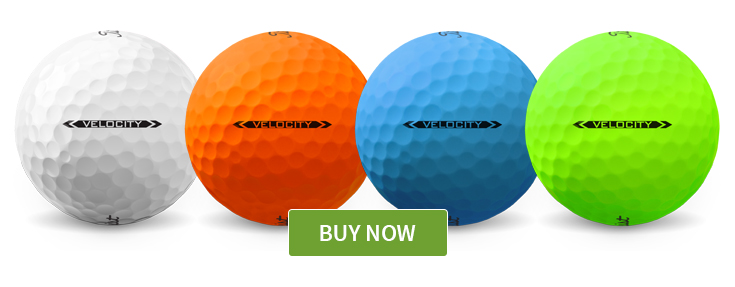
This latest update features incremental enhancements to the cover, providing a softer turf interaction off the greens without compromising speed. As in previous years, it's launched in white, matte orange, and matte green colors, with increased durability and visible seeability in the matte shades.
## How Does it Compare?
In terms of distance, the Velocity sits perfectly alongside such models as the "Callaway Warbird", "Bridgestone e12 Contact", and "Srixon Distance". The Velocity is a bit softer in feel and easier to control around the green than the "Warbird", but the Warbird may have a tiny edge in pure carry distance for players with a very high swing speed.
Against the "Bridgestone e12 Contact", the Velocity launches higher and gives more aerodynamic flight, and the e12 offers a little better mid-iron play back with its Contact Force Dimple. And matched against the "Srixon Distance", the Velocity has superiority in consistency and craftsmanship, but the Srixon might appeal to those less willing to spend for the Velocity's asking price.
## What Do the Experts Say?
They seem unanimous. The word on the street is that the Velocity "goes long, high, and straight." The LSX core and NaZ+ cover are delivering as promised. It's a favorite ball among players who desire to hit drive yardage off the tee and see more elevation with reduced spin, which is really helpful for players with moderate swing speeds.
Reviewers also noted that "the Velocity travels further than most Titleist golf balls", especially the TruFeel and Tour Soft. It lacks the greenside spin of the "Pro V1", but it was never intended to. Instead, it offers mid-handicappers and resort golfers a value-priced ball that truly stretches their game.
The ball's aerodynamics remain a testament to genius. The 350-dimple design is also the reason for "stable flight even during windy conditions". The new cover is also softer around greens than it has ever been before, smooth enough to put you at ease with chips and short pitches.
## Who Is This Ball for?
The Velocity is a golf ball designed for players who prioritize distance and launch over spin and finesse. It's an ideal ball for those who prefer "high-flying straight off the tee shots" and are willing to compromise on some premium tour-ball performance in exchange for more affordable prices. While "mid-handicappers" are where the Velocity probably exists, slower swingers will also enjoy the Velocity's forgiveness and effortless distance.
## Potential Concerns
The same traits that make the Velocity excellent straight off the tee are the things that make it barely less than perfect for your short game approach shots and putts. The low spin can limit shot-shaping ability, so players who prefer to play with spin control might consider options such as the "Bridgestone Tour B RX" or "Titleist Tour Soft".
Some golfers complained that the "ball plays hot", or mishits or hard swings would make it travel farther than they wanted, particularly in the short game. Others had conflicting thoughts about its matte finish, with some enjoying the visibility and others commenting that it didn't appear as premium as classic gloss finishes.
## The Bottom Line
In 2025, the Titleist Velocity remains one of the best distance golf balls under $35, offering explosive performance, solid quality, and a forgiving flight. If you're looking to add yards without breaking the bank, it's well worth the space in your bag, especially when compared to similar offerings from Callaway, Bridgestone, and Srixon.
At Lost Golf Balls, we offer a wide selection of Titleist products, including balls in 12-pack, 48-bucket, or 96-bucket quantities. We also provide a range of other mint and near-mint options. Head over to our website to check out our new arrivals, and use the filter on the left to buy the Titleist Velocity balls of your choice.
---
## FAQs
### What type of golfer would the Titleist Velocity work best for?
The Titleist Velocity works best for golfers who prioritize driver distance and high launch, often at the expense of shot shaping and spin. It is ideally suited for mid-handicappers and lower swing-speed players seeking explosive drives and forgiving ball flight, making it an excellent choice for a resort club or when casual playing, and at an affordable price.
### How does the Velocity compare to balls like the Callaway Warbird or Bridgestone e12 Contact?
Compared to the Warbird, the Velocity offers a softer feel and better control around greens, though the Warbird can fly a bit longer on higher swing speeds. Compared to the e12 Contact, the Velocity features higher ball flight and more aerodynamic behavior, but the e12 has better mid-iron control and spin characteristics.
### What are the performance benefits of the LSX core?
The LSX core is a fast core designed to provide maximum energy transfer, resulting in maximum ball speed and extended carry. It promotes a high launch with minimal spin, resulting in a powerful tee shot. It's best suited for golfers who prefer additional carry and distance without needing a high swing speed to achieve it.
### Are there alternative colors and packaging for Velocity golf balls?
The current Velocity is available in white, matte orange, and matte green with improved visibility and appearance. They can be purchased in 12-packs, 48-ball buckets, and 96-ball bulk packs, available in mint and near-mint conditions, depending on preference and budget.

###### LostGolfBalls.com

- Recent
- Popular
- Categories
### Lists by Topic
- [PGA Events (329)](https://blog.lostgolfballs.com/topic/pga-events)
- [Golf (311)](https://blog.lostgolfballs.com/topic/golf)
- [Golf Trends (297)](https://blog.lostgolfballs.com/topic/golf-trends)
- [Golf Makes the World Go Round (192)](https://blog.lostgolfballs.com/topic/golf-makes-the-world-go-round)
- [On the Course (86)](https://blog.lostgolfballs.com/topic/on-the-course)
- [Golf Balls (76)](https://blog.lostgolfballs.com/topic/golf-balls)
- [Improving Your Game (44)](https://blog.lostgolfballs.com/topic/improving-your-game)
- [PGA Championship (42)](https://blog.lostgolfballs.com/topic/pga-championship)
- [Golf Ball Manufacturers (31)](https://blog.lostgolfballs.com/topic/golf-ball-manufacturers)
- [Golf Courses (17)](https://blog.lostgolfballs.com/topic/golf-courses)
- [LPGA (12)](https://blog.lostgolfballs.com/topic/lpga)
- [Golf Betting (10)](https://blog.lostgolfballs.com/topic/golf-betting)
- [Best Ball For You (9)](https://blog.lostgolfballs.com/topic/best-ball-for-you)
- [U.S. Open (6)](https://blog.lostgolfballs.com/topic/u-s-open)
- [Ryder Cup (4)](https://blog.lostgolfballs.com/topic/ryder-cup)
- [British Open (3)](https://blog.lostgolfballs.com/topic/british-open)
- [FedEx Championship (3)](https://blog.lostgolfballs.com/topic/fedex-championship)
- [Masters 2018 (3)](https://blog.lostgolfballs.com/topic/masters-2018)
- [The Masters (3)](https://blog.lostgolfballs.com/topic/the-masters)
- [2019 Players Championship (1)](https://blog.lostgolfballs.com/topic/2019-players-championship)
- [Bridgestone (1)](https://blog.lostgolfballs.com/topic/bridgestone)
- [LIV Golf (1)](https://blog.lostgolfballs.com/topic/liv-golf)
see all
[Tweets by TwitterDev](https://twitter.com/lostgolfballs)
**Subscribe and Get The Latest News**
**Related Posts**
## [Not Exactly a Fan of the Proposed PGA Tour Schedule for 2028](https://blog.lostgolfballs.com/not-exactly-a-fan-of-the-proposed-pga-tour-schedule-for-2028)
So now we officially know the PGA Tour will undergo a significant schedule change in 2028, though the particulars still have to be ironed out. But I’m not a big fan of what we’ve heard so far with the sole exception being turning the Tour Championship into match play. Essentially, beginning in 2028, the schedule will feature a Championship Series with the biggest names playing for purses over $20 million. There will be the Championship Challenger Series with $4 million purses.
- [Perry Lefko](https://blog.lostgolfballs.com/author/perry-lefko)
- 9 min read
- 01 Jul,2026
## [1 Billion and Counting: PG Golf and LostGolfBalls.com Hit Historic Milestone](https://blog.lostgolfballs.com/1-billion-and-counting-pg-golf-and-lostgolfballs.com-hit-historic-milestone)
A milestone that underscores decades of innovation, sustainability, and trust among 1+ million golfers nationwide. Sugar Land, Texas (June 24th, 2026) PG Golf and LostGolfBalls.com proudly announced today the sale of their 1 billionth recycled golf ball, marking a historic milestone in the company’s mission to make golf more affordable and environmentally sustainable.
- [LostGolfBalls.com](https://blog.lostgolfballs.com/author/lostgolfballs-com)
- 3 min read
- 25 Jun,2026
## [Clark and Burns Play Well, But in the Wrong Tournament](https://blog.lostgolfballs.com/clark-and-burns-play-well-but-in-the-wrong-tournament)
Wyndham Clark (Titleist Pro V1x) and Sam Burns (Callaway Chrome Tour X) did just what I thought they would, albeit a week later. Heading into Canadian Open, I picked Clark and Burns as my two choices in the PG Golf pool. It was the second time using both in the pool, and you are only allowed to pick a player twice. I loved Clark’s form – he had won the CJ Cup Byron Nelson and tied for third in the Memorial Tournament.
- [Perry Lefko](https://blog.lostgolfballs.com/author/perry-lefko)
- 9 min read
- 24 Jun,2026
### Subscribe to Email Updates
[](https://palmspire-3842749.hs-sites.com/growth-home-1)
We help companies and marketers save time and generate more leads via drag and drop HubSpot COS conversion focussed templates.
##### Features
##### About Us
##### Company
© Copyright 2017-18
SIGN UP FOR OUR NEWSLETTER
-
-
-
-
-
About Us
- [LGB Story](https://www.lostgolfballs.com/aboutus)
- [Press Room](https://www.lostgolfballs.com/pressroom)
- [Why Used](https://www.lostgolfballs.com/whyused)
Support
- [Contact Us](https://www.lostgolfballs.com/contacts)
- [Shipping Policy](https://www.lostgolfballs.com/shipping)
- [Return Policy](https://www.lostgolfballs.com/returns)
- [FAQs](https://www.lostgolfballs.com/faqs)
Explore
- [Best Ball For You](https://info.lostgolfballs.com/whats-the-best-ball-for-you)
- [Blog](https://blog.lostgolfballs.com/)
- [Golf Tips](https://www.lostgolfballs.com/golftips)
- [Grading Scale](https://www.lostgolfballs.com/gradingscale)
Wholesale
- [Selling Golf Balls](https://www.lostgolfballs.com/We-Buy)
- [Bulk Orders](https://info.lostgolfballs.com/wholesale-golf-balls-lostgolfballs)
- [School Orders](https://info.lostgolfballs.com/school-orders)
Browse
- [ProV1/ProV1x](https://www.lostgolfballs.com/golf-balls/brands/pro-v1.html)
- [Titleist](https://www.lostgolfballs.com/golf-balls/brands/titleist.html)
- [Bridgestone](https://www.lostgolfballs.com/golf-balls/brands/bridgestone.html)
- [Callaway](https://www.lostgolfballs.com/golf-balls/brands/callaway.html)
- [Nike](https://www.lostgolfballs.com/golf-balls/brands/nike.html)
- [Srixon](https://www.lostgolfballs.com/golf-balls/brands/srixon.html)
- [Taylormade](https://www.lostgolfballs.com/golf-balls/brands/taylormade.html)
- [Refinished](https://www.lostgolfballs.com/golf-balls/quality/refinished.html)
- [Deals](https://www.lostgolfballs.com/deals.html)
- [Accessories](https://www.lostgolfballs.com/golf-accessories.html)
Copyright © 2020 www.Lostgolfballs.com • All Rights Reserved.
- [Terms And Conditions](https://blog.lostgolfballs.com/termsandconditions)
- [Privacy Policy](https://blog.lostgolfballs.com/privacy-policy)
- [Ad And Cookie Policy](https://blog.lostgolfballs.com/ad-and-cookie-policy)
- [Sitemap](https://blog.lostgolfballs.com/catalog/seo_sitemap/category)
California:
- [Your Privacy Rights](https://blog.lostgolfballs.com/privacy-policy#ccpa)
- [Do Not Sell My Info](https://blog.lostgolfballs.com/do-not-sell-my-info)
